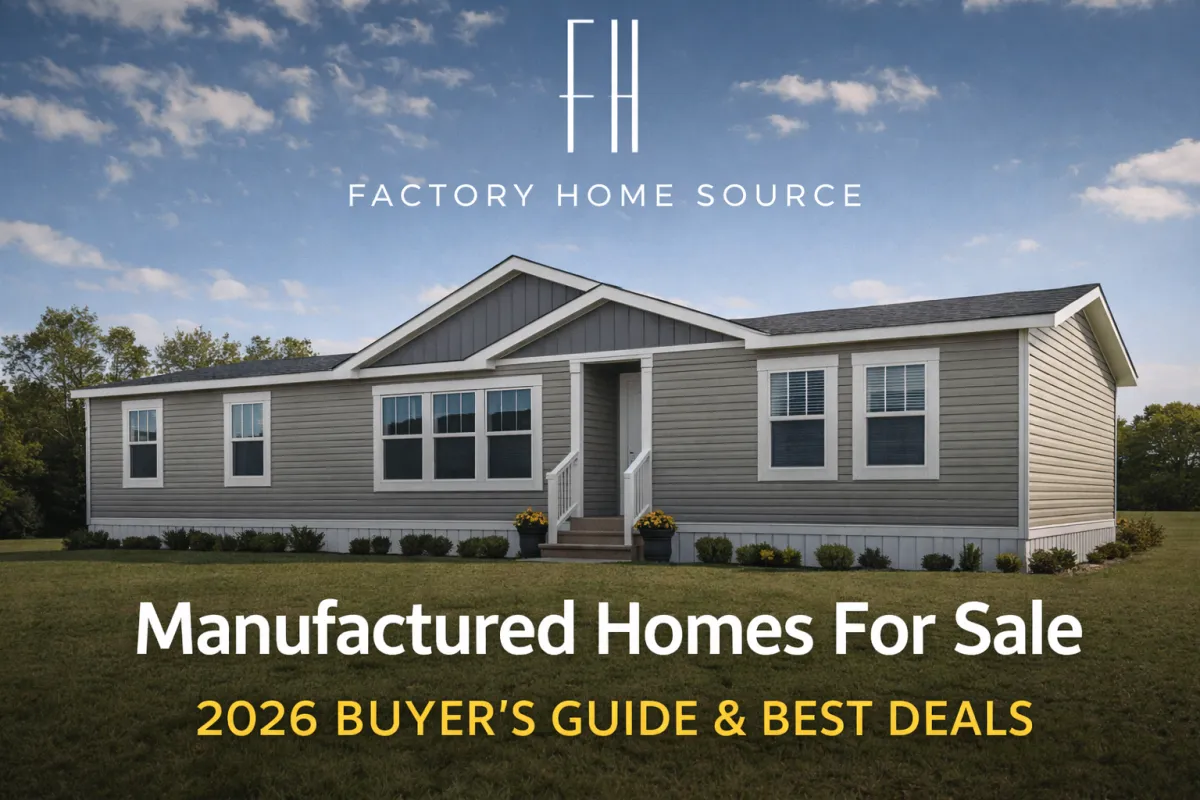
Manufactured Homes for Sale: 2026 Buyer’s Guide | FHS
The demand for manufactured homes for sale continues to surge in 2026 as more Americans look for affordable, flexible, and modern housing solutions. With rising home prices, higher mortgage rates, and limited inventory in many states, manufactured homes have become a smart alternative to traditional site-built houses.
Today’s manufactured homes are not what they used to be. They are built to strict federal standards, offer modern layouts, energy-efficient features, and can be customized to meet different budgets and lifestyles. Whether you’re a first-time homebuyer, retiree, or investor, this guide will help you understand everything you need to know before buying a manufactured home.
What Are Manufactured Homes?
Manufactured homes are factory-built homes constructed under the HUD Code, a federal building standard that regulates design, durability, safety, and energy efficiency. Unlike modular homes, manufactured homes are built on a permanent steel chassis and transported to their final location.
It’s important to understand the difference:
Mobile homes refer to homes built before June 15, 1976
Manufactured homes are HUD-compliant homes built after that date
Modular homes are assembled on-site and follow local building codes
Thanks to updated HUD standards and modern construction technology, manufactured homes built in the last decade are stronger, safer, and more efficient than ever.
Why Manufactured Homes Are in High Demand in 2026
The US housing market in 2026 continues to challenge buyers, especially in urban and suburban areas. Manufactured homes offer a solution to several major issues:
Affordability crisis: Manufactured homes cost significantly less per square foot than site-built homes
Faster move-in timelines: Factory construction reduces delays caused by weather or labor shortages
Expanded zoning acceptance: Many states are loosening zoning laws to allow manufactured housing
In addition, newer homes now feature open floor plans, smart-home technology, upgraded insulation, and energy-efficient appliances—making them attractive to a wider audience.
Types of Manufactured Homes You Can Buy
Single-Wide Manufactured Homes
Single-wide homes are compact, cost-effective, and ideal for individuals, couples, or retirees. They are easier to transport, require less land, and often come with lower setup costs. These homes are especially popular in rural areas and private land placements.
Double-Wide and Multi-Section Homes
Double-wide and triple-wide manufactured homes offer more space, multiple bedrooms, and layouts similar to traditional houses. They provide better long-term value, improved resale potential, and broader financing options. Many families now choose double-wide homes as permanent residences.
Manufactured Home Prices in the US (2026 Overview)
Prices vary based on size, customization, and location, but manufactured homes remain one of the most affordable housing options available.
Average price ranges (home only):
Single-wide homes: $60,000 – $90,000
Double-wide homes: $110,000 – $160,000
Multi-section homes: $160,000 – $220,000+
Additional costs may include land purchase, transportation, foundation installation, utility hookups, permits, and insurance. Always request a full cost breakdown from dealers to avoid surprises.
Where to Find Manufactured Homes for Sale
Buyers have several reliable options when searching for manufactured homes:
Local manufactured home dealers: Offer model homes, warranties, and setup services
Online marketplaces: Provide access to nationwide listings and price comparisons
Factory-direct purchases: Often reduce markup and customization costs
Private sellers: Can be affordable but require careful inspection and title verification
When buying online, confirm the dealer is licensed in your state and verify transport and installation responsibilities.
Financing Options for Manufactured Homes in 2026
Financing has improved significantly for manufactured housing, but options depend on how and where the home is placed.
Common financing options include:
FHA Title I and Title II loans
VA and USDA loans (for eligible buyers)
Conventional mortgages (when the home is on owned land)
Chattel loans (for homes in communities or leased land)
Step-by-Step Financing Tip:
Determine if the home will be classified as real property
Compare mortgage vs chattel loan interest rates
Get pre-approved before shopping to strengthen negotiations
Buying on Private Land vs Manufactured Home Communities
One of the biggest decisions buyers face is location.
Private land ownership offers:
Higher appreciation potential
More financing options
Greater long-term stability
Manufactured home communities provide:
Lower upfront costs
Amenities like pools and clubhouses
Simplified setup process
However, buyers should carefully review lot rent increases, community rules, and long-term affordability before committing.
Pros and Cons of Manufactured Homes
Advantages
Lower cost per square foot
Faster construction and delivery
Energy-efficient and modern designs
Challenges
Limited land availability in some areas
Financing restrictions in leased land scenarios
Depreciation risk if not placed on owned land
Understanding these trade-offs helps buyers make informed decisions aligned with their financial goals.
Tips to Avoid Costly Mistakes When Buying
To protect your investment:
Always verify HUD certification labels
Hire a professional home inspector
Confirm zoning and permit approvals before purchase
Review warranty coverage and installation contracts
A little due diligence upfront can save thousands later.
Frequently Asked Questions (FAQ)
Are manufactured homes a good investment in 2026?
Yes, especially when placed on owned land in growing markets with strong housing demand.
Can I get a traditional mortgage for a manufactured home?
Yes, if the home is permanently affixed to land you own and meets lender requirements.
How long do manufactured homes last?
With proper maintenance, modern manufactured homes can last 30–55 years or longer.
Are manufactured homes safe during storms?
HUD-regulated homes meet strict wind and safety standards and perform well when properly installed.
Do manufactured homes lose value?
Homes in communities may depreciate, but homes on owned land often appreciate similarly to site-built houses.
Final Thoughts
With affordability, speed, and flexibility driving buyer decisions, manufactured homes for sale remain one of the smartest housing options in the US for 2026. By understanding pricing, financing, and placement options, buyers can confidently find a home that fits both their budget and lifestyle.
